
410-290-6232


What Happens After You File an EEOC Complaint Against Your Employer?
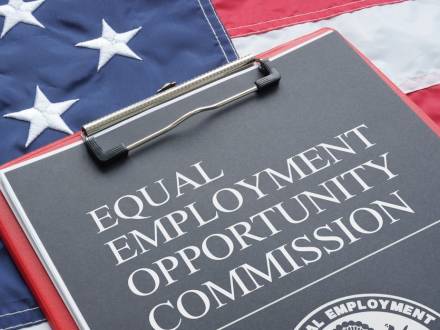
After you file a complaint with the Equal Employment Opportunity Commission (EEOC), the agency notifies your employer and decides whether to offer mediation, investigate, or close the charge. The process often takes several months or longer. Federal government employees follow a different complaint process.
Even if the EEOC does not find evidence of discrimination, you may still have the right to sue your employer. If you filed a complaint in 2026, our Fairfax, VA employment law lawyer can help you understand what happens next and protect your rights.
What Happens During the First Weeks After You File an EEOC Complaint?
The EEOC notifies your employer within 10 days after you file a formal charge. Your employer receives information about your allegations and an opportunity to respond.
The agency may ask your employer for a written explanation called a position statement. You can request a copy of that statement. Respond by the deadline the EEOC gives you. Your response should address any incorrect claims and provide supporting evidence.
The EEOC may also offer mediation. This is a voluntary, confidential process where both sides try to reach an agreement with a neutral mediator. If mediation does not resolve the dispute, the agency can continue its investigation.
How Does the EEOC Investigate Workplace Discrimination Complaints?
The EEOC investigates whether there is reasonable cause to believe your employer violated federal discrimination laws. The investigation depends on the allegations and available evidence. An investigator may request employee records, performance evaluations, emails, payroll information, and workplace policies. The agency can also interview supervisors, coworkers, and other witnesses.
Investigators often compare how your employer treated you with how it treated employees in similar situations. For example, they might examine whether other employees received lighter discipline for the same conduct.
The EEOC can issue subpoenas when necessary to obtain evidence. You should respond promptly to requests for information. Missing documents or failing to communicate with the investigator can delay your case or lead to its closure.
What Happens When the EEOC Finishes Investigating Your Complaint?
An EEOC investigation can end in several ways. It depends on the evidence and whether the parties reach an agreement.
Possible outcomes include:
-
Mediation or settlement: You and your employer agree to resolve the dispute.
-
No reasonable cause: The EEOC does not find enough evidence to conclude that discrimination occurred.
-
Reasonable cause: The EEOC finds reason to believe a violation occurred and tries to negotiate a resolution.
-
Unsuccessful negotiations: The EEOC decides whether to file a lawsuit or issue a right-to-sue notice.
-
Administrative closure: The agency closes the charge for a procedural or other reason.
A finding of no reasonable cause does not necessarily mean your employer acted legally. It means the EEOC did not find enough evidence to support a violation during its investigation.
You may still be able to take your claim to court. A judge is not required to agree with the EEOC's findings.
When Can You File a Lawsuit After an EEOC Complaint?
For most discrimination claims under Title VII or the Americans with Disabilities Act, you need a Notice of Right to Sue before filing a federal lawsuit. Under Title VII of the Civil Rights Act, you generally have 90 days after receiving the notice to file your lawsuit. Missing that deadline can prevent you from pursuing your claim.
You can usually request the notice after your charge has been pending for 180 days. Requesting it ends the EEOC's investigation, so discuss that decision with an attorney first.
Different rules apply to certain claims. Under federal age discrimination law, you can file a lawsuit 60 days after filing your EEOC charge without waiting for a right-to-sue letter. Equal Pay Act claims do not require an EEOC charge before filing suit.
Can Your Employer Retaliate After You File an EEOC Complaint?
Federal law prohibits employers from punishing employees for filing an EEOC charge or participating in a discrimination investigation. Retaliation can include termination, demotion, reduced hours, unfair discipline, or unwanted schedule changes. The key question is whether the action was serious enough to discourage a reasonable person from reporting discrimination.
Your employer can still make legitimate business decisions. But it cannot punish you because you filed a complaint. A retaliation claim can succeed even if your original discrimination complaint does not.
If you experience retaliation, contact your EEOC investigator and attorney promptly. The agency may add the new allegations to your existing charge or require a new one. Additional filing deadlines still apply.
Contact Our Alexandria, VA Employment Law Attorney Today
Attorney Lindsay Freedman represents employees in workplace discrimination and retaliation disputes. This includes matters before the EEOC and cases in state and federal court. He works closely with clients to evaluate employer responses, prepare evidence, and determine when litigation is appropriate.
Contact Freedman Law, LLC at 410-290-6232 to speak with our Fairfax, VA lawyer assisting with federal EEOC issues about your next steps. We’re available 24/7.









Columbia Office
10015 Old Columbia Rd, #B215
Columbia, MD 21046
P 410-290-6232
[+] View Map
North Bethesda Office
11810 Grand Park Ave, Suite 500
North Bethesda, MD 20852
P 410-290-6232
[+] View Map
McLean Office
8200 Greensboro Dr, #900
McLean, VA 22102
P 410-290-6232
[+] View Map
Results listed are not a guarantee or indication of future case results.
